Slump loss in concrete can be controlled by addressing the factors that reduce workability during mixing, transportation and placement. Cement properties, admixture compatibility, raw-material consistency, concrete temperature, transport time and mixing conditions can all affect how quickly slump decreases.
5 Practical Ways to Control Slump Loss in Concrete
Validate Any Delayed Admixture Addition Before Use
If ready-mixed concrete experiences unexpected slump loss and can no longer meet the required pumping or placement conditions, a validated delayed-admixture procedure may sometimes be considered. However, the additional dosage must be determined through testing in advance and should not be applied arbitrarily on site. Excessive or repeated addition can affect setting behavior, concrete stability and final performance.
Check Cement–Admixture Compatibility
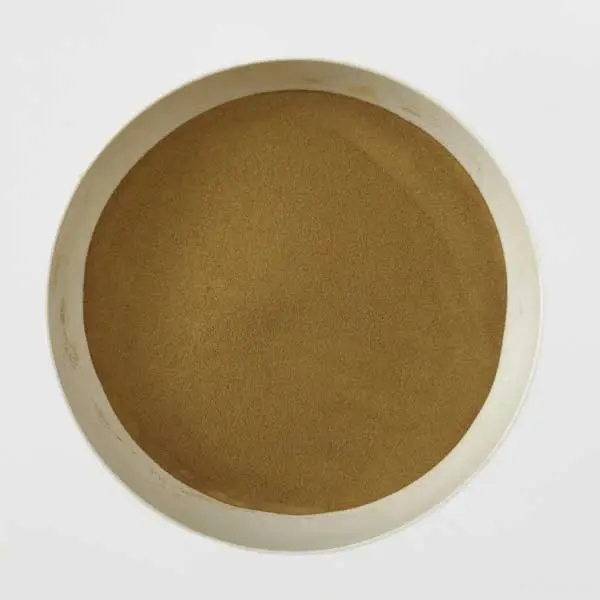
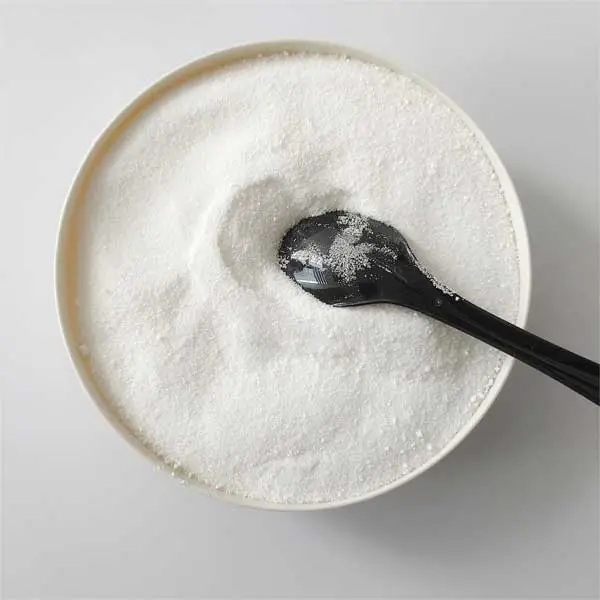
Finer cement and changes in cement composition can increase water demand and influence slump-retention performance. Compatibility testing should therefore be carried out using the actual cement and admixture system before production. The objective is to identify a dosage that provides sufficient initial workability while maintaining stable concrete performance during the required transportation and placement period. A suitable polycarboxylate superplasticizer liquid can improve concrete fluidity and water reduction, but the appropriate dosage and slump-retention performance should still be verified with the actual project materials.
Stabilize Raw Materials and Optimize the Concrete Mix
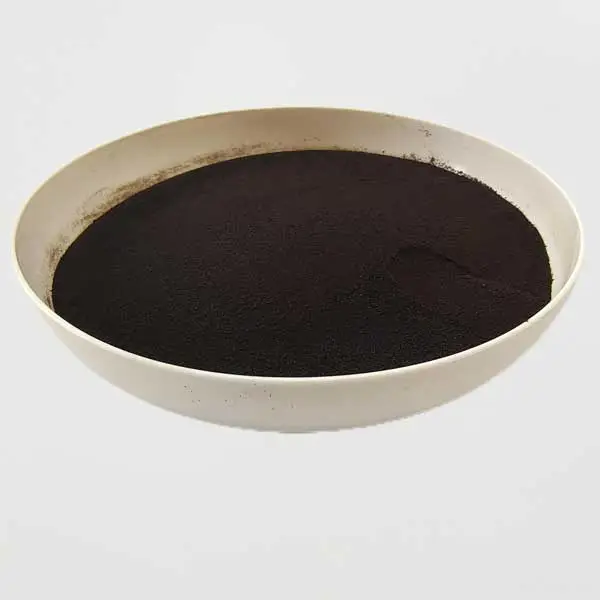
Raw materials for pumped concrete—including cement, supplementary materials, aggregates and chemical admixtures—should be kept as consistent as possible. Changes in cement source, aggregate grading, moisture, fines or admixture compatibility can alter both initial slump and slump loss over time. Concrete mix proportions should therefore be verified through testing and adjusted according to actual production conditions, with particular attention to aggregate grading, fines content and the required workability window. The selection of suitable concrete chemicals should be considered together with cement characteristics, aggregates, water-to-binder ratio and the required transportation time.
Control Temperature, Transportation and Waiting Time
Slump loss generally becomes more pronounced as concrete temperature and elapsed time increase. Hot-weather construction, long transport distances and extended waiting at the job site can therefore shorten the available workability window. Production, transportation and placement teams should coordinate dispatch frequency with travel distance and pouring speed to reduce unnecessary queuing and waiting. The allowable delivery and placement period should follow the approved concrete mix design, project specification and applicable standards rather than relying on a single fixed time limit.
Maintain Consistent Mixing Conditions
Mixing time and mixing sequence can affect admixture dispersion, initial slump and subsequent workability retention. Ready-mixed concrete should therefore be mixed using a validated production procedure that provides uniform distribution of cement, aggregates, water and chemical admixtures. When raw materials, admixture dosage or concrete grade changes, the mixing procedure should be reviewed through plant trials rather than relying on one fixed mixing time for every mixture.
How Can PCE Improve Slump Retention?
Polycarboxylate superplasticizer (PCE) can help maintain concrete workability by improving cement-particle dispersion without increasing the water-to-binder ratio. However, slump retention depends not only on PCE dosage but also on cement composition, temperature, aggregate quality, supplementary cementitious materials and transportation time. For projects where extended workability is required, timed compatibility tests should compare both initial slump and retained slump under realistic production conditions. Learn more about how PCE affects slump retention in concrete and the factors that should be evaluated during admixture selection.
Conclusion
Effective slump-loss control starts with identifying the cause rather than simply increasing admixture dosage. Stable raw materials, cement–admixture compatibility, an appropriate mix design, controlled temperature and transportation, and consistent mixing procedures should be evaluated together. For ready-mix and pumped concrete, project-specific testing remains the most reliable way to define the required workability window.

 English