The right additive for pumping concrete should maintain flowability, limit slump loss, control viscosity, and reduce the risk of bleeding or segregation throughout transportation and placement. For most modern ready-mixed and high-rise projects, a compatible polycarboxylate superplasticizer is generally the preferred option because it can reduce water demand while maintaining pumpable consistency.
However, product selection should not be based only on the stated water-reduction rate. Cement composition, aggregate grading, pumping distance, concrete temperature, required setting time, and actual trial-mix performance must also be considered.
Why Does Pumped Concrete Need a Chemical Additive?
Concrete must travel through pipelines under continuous pressure. A mixture that appears workable at the batching plant may become difficult to discharge or pump after transportation if it loses slump, develops excessive viscosity, or contains insufficient lubricating mortar.
A suitable chemical additive for pumping concrete disperses cement particles and improves flow at a controlled water-to-binder ratio. It can also help maintain a stable mortar phase around coarse aggregates, reducing friction between the concrete and the internal surface of the pumping pipeline.
Nevertheless, an admixture cannot correct a fundamentally unsuitable mix design. Aggregate grading, sand ratio, paste volume, aggregate moisture, and mixing uniformity remain essential to reliable pumping.
Which Water Reducer Is Best for Pumping Concrete?
Polycarboxylate superplasticizer, commonly known as PCE, is usually selected for demanding pumped concrete. Its molecular structure provides strong cement-particle dispersion through steric hindrance, allowing concrete to achieve the required fluidity with less mixing water.
PCE is particularly suitable for high-rise pumping, heavily reinforced structures, precast elements, and concrete with a relatively low water-to-binder ratio. It can also be formulated for high initial water reduction, extended slump retention, or a balance of both properties.
Understanding the role of superplasticizer in concrete is important because high water reduction does not automatically guarantee good pumpability. A product may create excellent initial fluidity but still cause rapid slump loss, excessive retardation, bleeding, or segregation when it is incompatible with the cement and aggregate system.
Naphthalene-based superplasticizers may also be considered when strong initial dispersion and cost control are priorities. Lignosulfonate-based admixtures generally provide lower to moderate water reduction and may introduce a retarding effect. The final decision should be based on performance testing rather than chemical category alone.
How Much Slump Retention Is Required?
The required retention period should cover batching, transportation, site waiting, pumping, and final placement. Concrete delivered over a short distance may mainly require strong initial dispersion, while long-distance transportation or high-rise pumping usually requires better workability retention.
Poor slump retention in concrete may result from:
High cement, aggregate, or ambient temperature
Incompatible cement and admixture combinations
Clay contamination in manufactured sand
Excessive fine particles
Low water-to-binder ratios
Incorrect admixture addition sequence
Insufficient mixing time
Timed slump tests should be conducted according to the actual delivery cycle. Testing at 30, 60, 90, and 120 minutes can reveal whether the mixture remains suitable for pumping after transportation.
Increasing the dosage does not always improve retention. Excessive admixture may cause segregation, bleeding, delayed setting, or unexpected slump growth during delivery.
How Do Aggregate Grading and Viscosity Affect Additive Selection?
Pumpable concrete requires both flowability and cohesion. Poorly graded aggregate or insufficient mortar can produce unstable pump pressure and increase the risk of blockage, even when a high-performance water reducer is used.
Conversely, excessive powder content or very fine sand may increase viscosity and pumping resistance. The admixture should therefore be evaluated together with:
Maximum aggregate size and grading
Sand ratio and fine-particle content
Cement and supplementary cementitious materials
Target slump or slump flow
Pipeline diameter and pumping height
Expected transportation and waiting time
When concrete is highly fluid but prone to bleeding, the solution may involve adjusting the aggregate system, paste volume, or viscosity rather than simply changing the PCE dosage.
Should Liquid or Powder Superplasticizer Be Used?
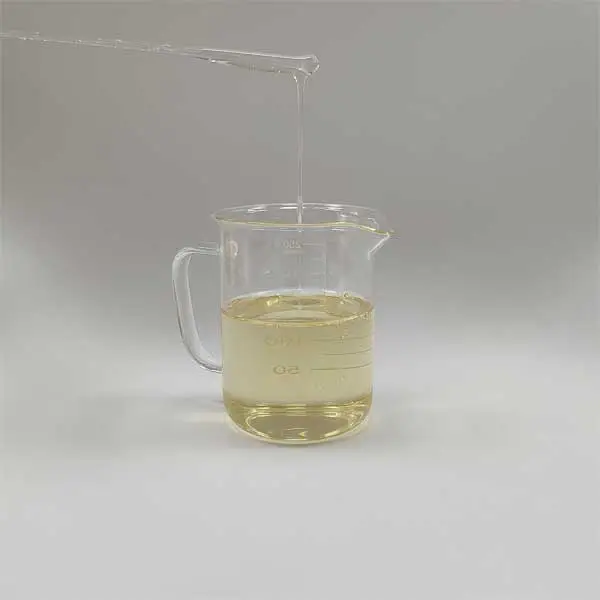
Liquid PCE is commonly used in ready-mixed concrete plants because it can be accurately metered and adjusted for different water-reduction and slump-retention requirements. It is generally the practical option for continuously produced pumped concrete.
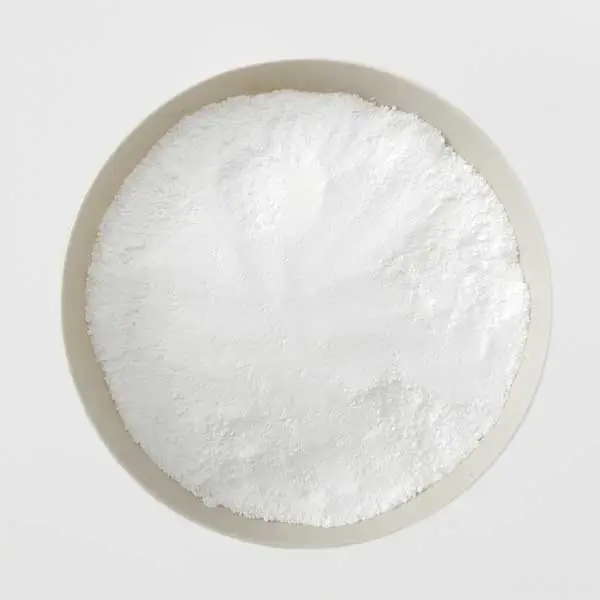
A superplasticizer powder is more commonly selected for dry-mix mortar, packaged grout, repair compounds, and other cement-based products requiring a dry formulation. It may be suitable for specialized systems, but it is not normally the first choice for routine ready-mixed concrete pumping.
What Should Be Tested Before Project Use?
Trials should use the actual cement, aggregates, mineral additions, mixing water, and production temperature expected on the project.
Important test items include initial and retained slump, segregation, bleeding, air content, setting time, pump pressure stability, surface finish, and compressive strength.
The most suitable additive is not necessarily the one producing the highest initial slump. It is the formulation that reaches the pump with predictable workability and remains cohesive throughout the entire placement process.
Conclusion
Choosing the right pumping additive requires a balance of water reduction, slump retention, viscosity, cohesion, and setting control. PCE is often the most effective option for demanding pumped concrete, but its formulation and dosage must match the cement, aggregates, temperature, transportation time, and pumping conditions.
Concrete producers should rely on timed compatibility tests and production-scale pumping trials rather than selecting an admixture only by price or nominal water-reduction rate. This approach reduces the risks of pipeline blockage, unstable pressure, segregation, uncontrolled onsite water addition, and inconsistent concrete performance.
Frequently Asked Questions
Can a water reducer prevent concrete pump blockage?
It can reduce internal friction and improve flow, but it cannot fully prevent blockage caused by poor aggregate grading, insufficient mortar, dry pipelines, interrupted pumping, or incorrect pumping operations.
Is a higher slump always better for pumping?
No. A high slump without sufficient cohesion may cause bleeding and segregation. Reliable pumpability requires an appropriate balance between flowability and viscosity.
Can different concrete admixtures be blended?
Yes, but compatibility must be verified. Water reducers, retarders, air-control agents, and other components may interact and change slump, setting time, air content, or strength.
When should the admixture dosage be adjusted?
Adjustment may be necessary when the cement source, sand quality, aggregate moisture, temperature, transportation time, or pumping height changes. Any adjustment should be confirmed through a trial mix.

 English