Post Date:13,Jul,2026
I. Formulation Principles The concrete should possess a certain water reduction rate, slump retention performance, low pressure bleeding, and a certain air-entraining performance. That is, water reduction, plasticity retention, water retention, and air entrainment.
II. Basic Components and Functions Water-reducing component + retarder + air-entraining component + other additives.
(1) Water-reducing component includes: lignin-based, naphthalene-based high-efficiency water-reducing agents, sulfonated melamine high-efficiency water-reducing agents, aminosulfonate high-efficiency water-reducing agents, aliphatic high-efficiency water-reducing agents, polycarboxylate high-performance water-reducing agents, etc. Under a certain water-cement ratio, it ensures the workability of the concrete meets the construction process requirements. Appropriate water-reducing components should be used for different cements and admixtures, and the dosage should be sufficient.
(2) Retardering component includes: lignin-based, sugars, phosphates, tartrates, gluconates, citric acid and its salts, cellulose and its derivatives, etc. It controls slump loss and concrete setting time, ensuring the normal operation of transportation and pumping. When using different raw materials and different mix proportions, appropriate retarding components should be used in appropriate amounts to avoid problems with cement compatibility and setting time abnormalities. When used in conjunction with water-reducing components, the water reduction rate is increased.
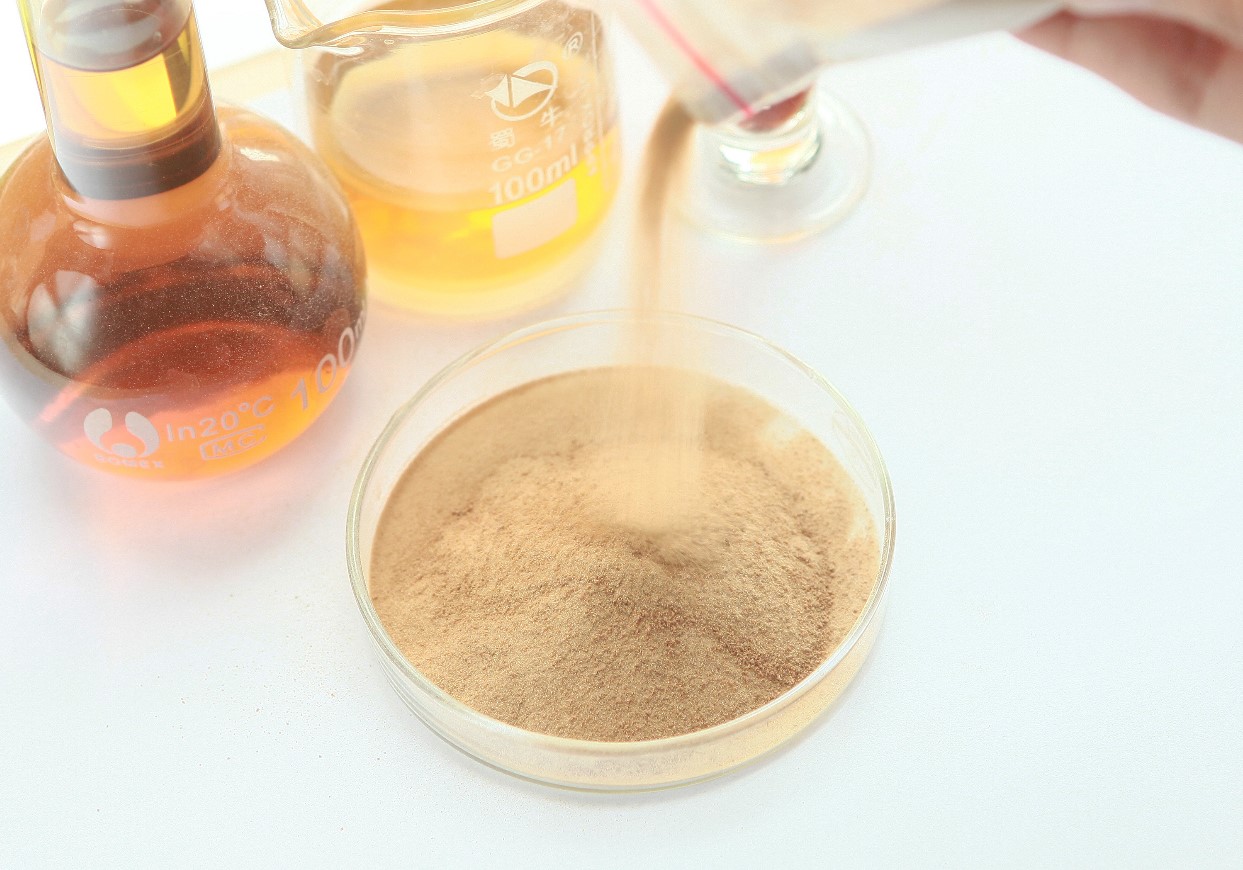
(3) Water-retaining components include various water-reducing agents, cellulose and its derivatives, etc. Adjust the type and amount of water-retaining components according to the concrete trial mixing results to ensure that the workability of the concrete meets the requirements.
(4) Air-entraining components include vinorelbine resin, rosin soaps, alkyl sulfonates, alkylbenzene sulfonates, lignin, etc. Appropriate air entrainment can improve the pumpability and workability of concrete, and also greatly benefit its durability. It has a certain water reduction rate. Generally, it is advisable to keep the air content of concrete at around 2-3%, which not only does not affect the strength of the concrete, but also significantly improves various properties of the concrete.
III. Precautions When preparing admixtures, their compatibility with various raw materials should be fully considered, and the interaction between different components should be noted. Different types of cement, admixtures, and other components in the admixture have a significant impact on the performance of water-reducing agents. For example, the water reduction rate is significantly improved when naphthalene-based water-reducing agents are used together with sodium gluconate. Different types of cement, admixtures, and mix proportions will all affect the retarding effect. The air-entraining effect of air-entraining agents is affected by many factors, such as cement fineness, aggregate size, sand mud content, temperature, and mix proportion. When fly ash is added, a higher proportion of fine aggregates, smaller aggregate size, larger slump, and lower temperature will result in a higher air content in the concrete. In conclusion, adjustments to admixtures should be made based on actual conditions and experimental results.

 English