1.1 Raw Material Source Sodium lignin sulfonate is derived from the waste liquid generated during the sulfite pulping process. Lignin in wood undergoes a sulfonation reaction under sulfite cooking conditions, producing water-soluble lignin sulfonic acid, which dissolves in the waste liquid. In the past, this waste liquid was typically discharged directly or burned, resulting in resource waste and environmental pollution. Modern technology recycles and processes it to produce high-value-added lignin sulfonate products.
1.2 Production Process A typical production process for sodium lignin sulfonate includes the following steps:
Desaccharification: Sugars are removed from the waste liquid using fermentation or membrane separation technology. Excessive sugar content affects the product's dispersibility and thermal stability, requiring strict control, especially in dye applications.
Concentration: The dilute solution is concentrated to a certain concentration through multi-effect evaporation, reducing subsequent drying energy consumption.
Neutralization: Sodium hydroxide or sodium carbonate is added to convert lignin sulfonic acid into sodium lignin sulfonate.
Drying: Spray drying or drum drying is used to obtain a powdered finished product. Spray-dried products have uniform particle size, good water solubility, and higher quality.
Screening and Packaging: Sieve to the specified fineness according to customer requirements and then package.
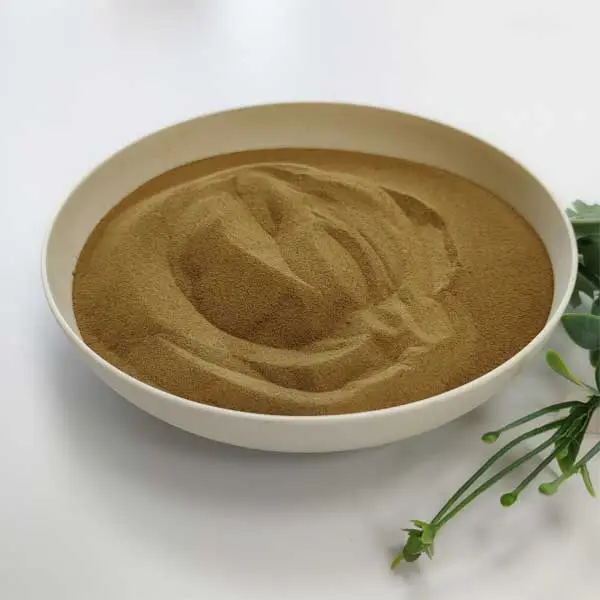
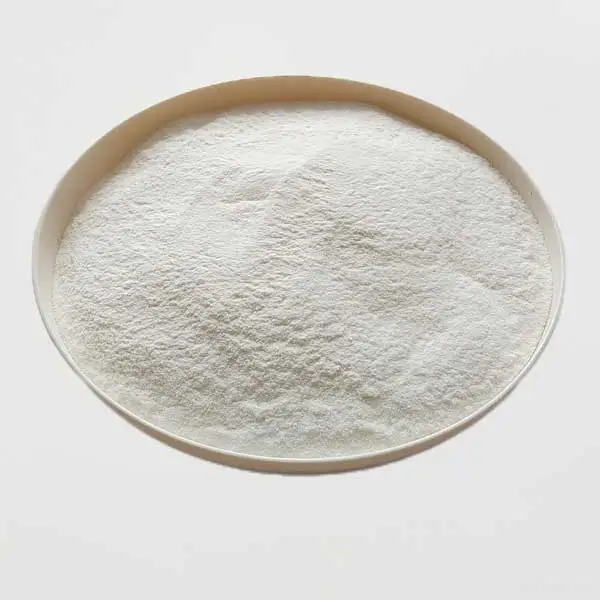
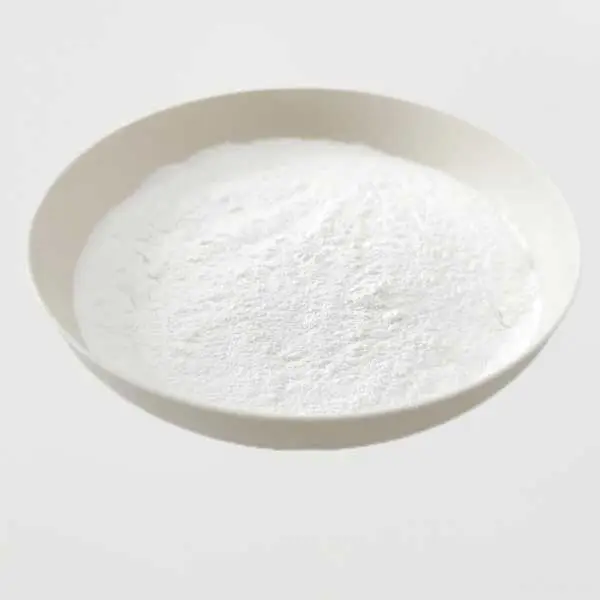
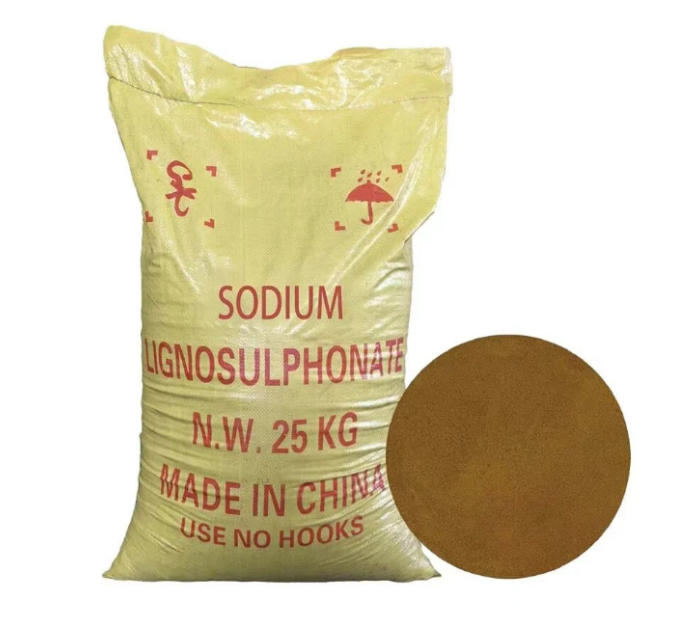
1.3 Product Form: Sodium lignosulfonate is a brownish-yellow to yellowish-brown powder, easily hygroscopic and readily soluble in water. Different models and grades of sodium lignosulfonate vary in color depth, purity, reducing sugar content, and water-insoluble matter.
2.1 Molecular Structure Characteristics
Lignin itself is a three-dimensional network aromatic polymer containing various functional groups such as phenolic hydroxyl groups, alcoholic hydroxyl groups, and methoxyl groups. After sulfite cooking, sulfonic acid groups (-SO₃H) are introduced into the lignin molecule, thus acquiring water solubility. After neutralization and salt formation, the sulfonic acid groups exist in the form of sodium salts. The molecular weight of sodium lignin sulfonate is generally between several thousand and tens of thousands, with a wide distribution. Its structure can be simplified as: a hydrophobic lignin skeleton + hydrophilic sulfonic acid groups and some hydroxyl groups. This "amphiphilic" structure gives it surface activity.
2.2 Mechanism of Action
Dispersion Mechanism: Sodium lignin sulfonate adsorbs onto the surface of solid particles. The sulfonic acid groups are negatively charged, generating electrostatic repulsion; simultaneously, the molecular side chains create steric hindrance. Both work together to prevent particle re-aggregation, maintaining a stable dispersion of the system.
Water-reducing mechanism: In concrete, sodium lignosulfonate adsorbs onto the surface of cement particles, causing the particles to acquire the same charge and repel each other, releasing free water that was originally trapped in the flocculated structure. This increases fluidity without increasing water consumption.
Retarding mechanism: The hydroxyl and carboxyl groups in sodium lignosulfonate molecules complex with calcium ions in cement, delaying the precipitation and growth of hydration products, thus extending the setting time.
Chelination mechanism: The phenolic hydroxyl and carboxyl groups in the lignin structure can form complexes with metal ions such as iron, calcium, and magnesium, playing a chelating and dispersing role and preventing the precipitation of insoluble salts.

 English