Post Date:29,Dec,2025
Hydroxypropyl methylcellulose (HPMC):
* The most widely used cellulose ether in the construction industry
* Balanced water retention and thickening properties
* Excellent cost-performance ratio and wide applicability
Carboxymethyl cellulose (CMC):
* The most competitively priced cellulose product
* High transparency of aqueous solutions
* Irreplaceable in specific applications
Hydroxyethyl cellulose (HEC):
* A cellulose ether with excellent water retention properties
* Good biocompatibility
Primarily used in high-end applications
Methylhydroxyethyl cellulose (MHEC):
* An upgraded version of HPMC
* Even better overall performance
* Higher gel temperature and wider applicability
Comparison of Solubility
HEC: Fastest dissolving speed, dissolves quickly even in cold water.
CMC: Dissolves relatively quickly, but requires thorough stirring.
MHEC: Excellent solubility, does not easily clump.
HPMC: Moderate dissolving speed, requires a certain amount of stirring time.
Water Retention Capacity Ranking
HEC: Highest water retention rate, reaching over 98%.
MHEC: Excellent water retention, stable at high temperatures.
HPMC: Good water retention, meets most needs.
CMC: Moderate water retention, greatly affected by pH value.
Thickening Effect Comparison
HPMC: Significant thickening effect, high cost-effectiveness.
MHEC: Higher thickening efficiency, more economical dosage.
CMC: Moderate thickening ability, significant price advantage.
HEC: Relatively mild thickening effect.
Differences in Temperature Resistance
MHEC: Highest gel temperature (75-85℃).
HEC: Gel temperature approximately 70-80℃.
HPMC: Gel temperature approximately 60-70℃.
CMC: Relatively poor temperature resistance.
HPMC: All-rounder
Applicable areas: Masonry mortar, plastering mortar, ordinary tile adhesive
Advantages: High cost-performance ratio, balanced overall performance, wide applicability
Recommended scenarios: Most ordinary building mortar products
CMC: Economical choice
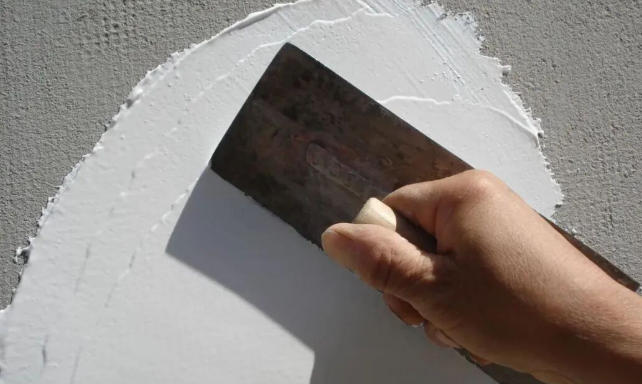
Applicable areas: Interior wall putty, some low-cost mortars
Advantages: Significant price advantage, transparent aqueous solution
Precautions: Poor water resistance, not suitable for exterior wall applications
HEC: Water retention expert
Applicable areas: Specialty mortars, high-end tile adhesives, self-leveling mortars
Advantages: Excellent water retention, rapid dissolution
Recommended scenarios: Specialty mortars with extremely high water retention requirements
MHEC: Upgraded choice
Applicable areas: High-end tile adhesives, self-leveling mortars, thermal insulation mortars
Advantages: Optimal overall performance, smooth application
Recommended scenarios: Specialty mortar products seeking high quality

 English