Foam formation is a common challenge across many industrial processes. While foam may seem harmless, excessive foam can reduce production efficiency, interfere with processing equipment, affect product quality, and increase operating costs. As industries continue to pursue higher productivity and product consistency, the demand for effective foam control solutions has grown significantly.
This is where an antifoam agent plays a crucial role. Whether in construction chemicals, coatings, wastewater treatment, paper manufacturing, detergents, or chemical processing, antifoam products help eliminate unwanted foam and improve process performance.
As a professional and global antifoam supplier, JF ChemTech offers a wide range of antifoam solutions designed for various industrial applications.
What Is an Antifoam Agent?
An antifoam agent is a chemical additive used to prevent foam formation or destroy existing foam during industrial processes. It works by disrupting the stability of foam bubbles, allowing trapped air to escape and preventing excessive foam accumulation.
In industrial manufacturing, an antifoam agent is essential for maintaining smooth operations, improving product quality, and reducing production interruptions caused by foam-related issues.
The terms "antifoam", "anti-foaming agent", and "anti-foam chemical" are often used interchangeably throughout the chemical industry.
Antifoam Agent Definition
The standard antifoam agent definition refers to:
A chemical additive that suppresses, controls, or eliminates foam generated during manufacturing, processing, storage, or application processes.
Unlike surfactants that promote foam generation, antifoam agents are specifically formulated to destabilize foam and prevent excessive bubble formation.
Foam Agent vs. Antifoam Agent
Although the names sound similar, foam agents and antifoam agents serve opposite purposes.
Feature | Foam Agent | Antifoam Agent |
Primary Function | Generates or stabilizes foam | Eliminates or prevents foam |
Purpose | Increase air entrainment | Reduce unwanted foam |
Bubble Stability | Promotes stable bubbles | Breaks the bubble structure |
Common Applications | Firefighting foam, lightweight concrete, detergents | Construction chemicals, wastewater treatment, coatings, and paper production |
Operational Goal | Create foam | Control foam |
Understanding this distinction is important when selecting additives for industrial formulations.
Types of Antifoaming Agents
There are several types of antifoaming agents available, each designed for specific operating conditions and industrial requirements.
Silicone-Based Antifoam Agents
Silicone antifoams are among the most widely used foam-control solutions.
Advantages include:
· Excellent defoaming efficiency
· Fast foam knockdown
· High temperature resistance
· Long-lasting performance
· Low dosage requirements
Applications include:
· Paints and coatings
· Wastewater treatment
· Construction chemicals
· Textile processing
· Chemical manufacturing
Polyether Antifoam Agents
Polyether-based products offer excellent compatibility with aqueous systems.
Key benefits include:
· Good dispersion
· Environmentally friendly performance
· Effective foam suppression
· Low residue formation
Common applications:
· Water treatment
· Cleaning chemicals
· Fermentation processes
· Industrial detergents
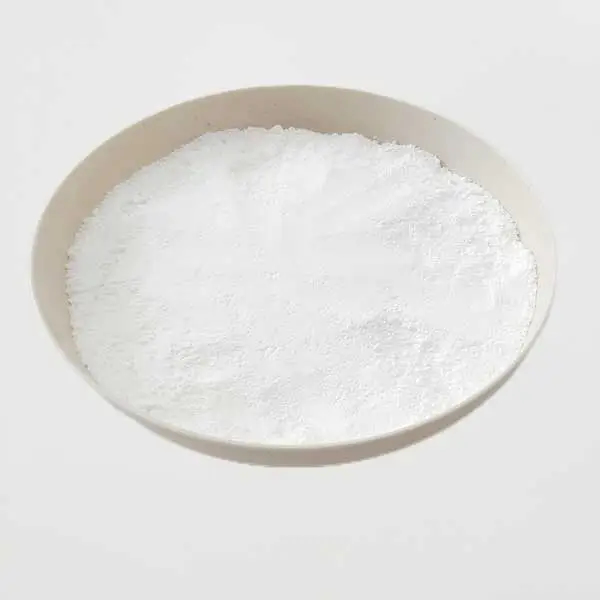
Powder Antifoam Agents
Powder antifoams are specifically designed for dry-mix products.
Advantages:
· Easy transportation and storage
· Excellent compatibility with dry formulations
· Long shelf life
· Consistent performance
Applications include:
· Dry mortar
· Tile adhesives
· Self-leveling compounds
· Cement-based materials
Mineral Oil-Based Antifoam Agents
Mineral oil antifoams are widely used in industrial systems where cost-effectiveness is important.
Typical applications:
· Pulp and paper production
· Wastewater treatment
· Chemical processing
Anti-Foaming Agent Chemical Composition
The chemical composition of anti-foaming agents varies depending on the product type and intended application.
Typical formulations may contain the following components:
Component | Function |
Silicone Oils | Rapid foam elimination |
Polyether Compounds | Foam suppression and compatibility |
Mineral Oils | Bubble destabilization |
Hydrophobic Silica | Enhances defoaming performance |
Emulsifiers | Improve dispersion and stability |
Carriers | Facilitate product handling and application |
The optimal composition depends on factors such as temperature, pH level, viscosity, and processing conditions.
Antifoaming Agents List
A typical list of antifoaming agents includes several categories commonly used across industrial sectors.
Antifoam Type | Main Ingredient | Typical Applications |
Silicone Antifoam | Polydimethylsiloxane (PDMS) | Coatings, water treatment, construction chemicals |
Polyether Antifoam | Polyoxyalkylene Compounds | Fermentation, detergents, and cleaning products |
Powder Antifoam | Silicone-coated carriers | Dry mortar, tile adhesives |
Mineral Oil Antifoam | Hydrocarbon oils | Paper manufacturing, wastewater treatment |
Emulsion Antifoam | Silicone emulsions | Water-based systems |
Each product type offers unique advantages depending on the processing environment and performance requirements.
How Antifoam Agents Improve Industrial Processes
Excessive foam can create numerous operational challenges, including reduced production efficiency, overflow risks, inaccurate volume measurements, and product quality defects.
A properly selected antifoam agent helps manufacturers maintain stable production conditions and optimize process performance.
The benefits of using antifoam agents include:
· Faster production cycles
· Improved equipment utilization
· Reduced downtime caused by foam buildup
· Better product consistency
· Lower operational costs
· Enhanced process safety
· Reduced material waste
In industries such as construction chemicals, wastewater treatment, coatings, pulp and paper, and chemical manufacturing, effective foam control can significantly improve overall productivity while maintaining high-quality standards.
Antifoaming Agents Application
The scope of antifoaming agents' application continues to expand as industrial production becomes increasingly automated and efficiency-driven.
Construction Chemicals
Foam can negatively impact the quality and performance of construction materials.
Antifoam agents help:
· Improve mortar density
· Enhance compressive strength
· Reduce air voids
· Improve surface smoothness
· Increase product consistency
Typical applications include:
· Concrete admixtures
· Dry-mix mortar
· Tile adhesives
· Self-leveling compounds
Paints and Coatings
During manufacturing and application, foam can create surface defects such as:
· Pinholes
· Craters
· Fish eyes
· Uneven film formation
Antifoam agents help ensure smooth finishes and improved coating performance.
Wastewater Treatment
Wastewater systems frequently experience foam accumulation caused by biological activity and chemical reactions.
Antifoam solutions help:
· Prevent tank overflow
· Improve process control
· Reduce maintenance requirements
· Enhance treatment efficiency
Pulp and Paper Industry
Foam can disrupt paper production and reduce machine efficiency.
Benefits of foam control include:
· Improved paper quality
· Reduced downtime
· Increased production capacity
· Better drainage performance
Chemical Manufacturing
Many chemical reactions naturally generate foam.
Antifoam products help maintain stable processing conditions while improving operational efficiency and safety.
How to Choose the Right Antifoam Agent
Selecting the most suitable antifoam solution requires evaluating several important factors.
1. System Characteristics
Determine whether the formulation is:
· Water-based
· Solvent-based
· Powder-based
Different systems require different antifoam technologies.
2. Operating Temperature
Some industrial processes involve elevated temperatures.
Silicone antifoams generally provide excellent thermal stability under demanding conditions.
3. pH Environment
The acidity or alkalinity of the system can influence antifoam performance.
Choosing a formulation compatible with the process environment is essential.
4. Industry Requirements
Different industries have unique technical and regulatory requirements.
For example:
· Construction chemicals require compatibility with cementitious systems.
· Water treatment applications require environmental compliance.
· Coatings require excellent surface quality performance.
5. Dosage Efficiency
High-quality antifoam products often achieve superior performance at lower dosage rates, reducing overall production costs.
Why Work with a Professional Antifoam Manufacturer?
Partnering with an experienced antifoam manufacturer offers significant advantages.
Benefits include:
· Consistent product quality
· Technical application support
· Customized formulations
· Reliable global supply
· Regulatory compliance
· Cost-effective foam-control solutions
As a trusted antifoaming agent distributor, JF ChemTech provides high-performance foam-control solutions for customers worldwide.
Our products are widely used in construction chemicals, coatings, wastewater treatment, paper manufacturing, and various industrial processes where reliable foam control is essential.
Conclusion
Foam control is a critical factor in maintaining efficient and reliable industrial operations. Understanding the antifoam agent definition, various types of antifoaming agents, chemical composition, applications, and selection criteria helps manufacturers choose the most effective solution for their production systems.
From construction chemicals and coatings to wastewater treatment and chemical manufacturing, modern antifoam agents provide efficient foam suppression while improving product quality and operational efficiency.
Whether you are looking for a dependable, experienced antifoam supplier, selecting the right foam-control partner can contribute significantly to long-term productivity, cost savings, and manufacturing success.

 English