Introduction
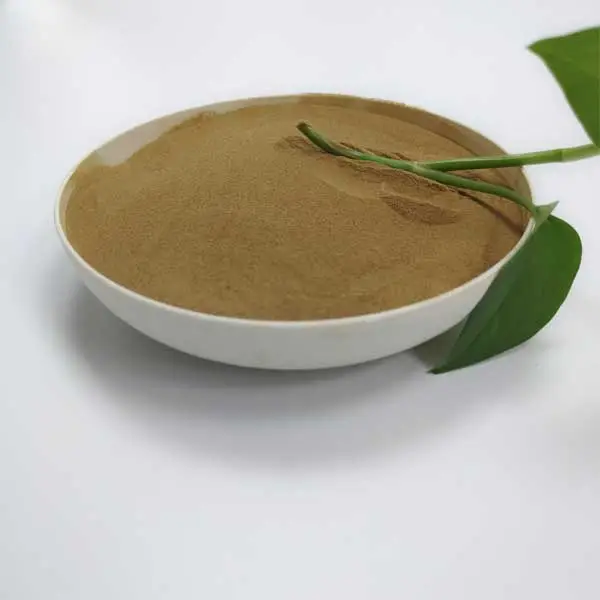
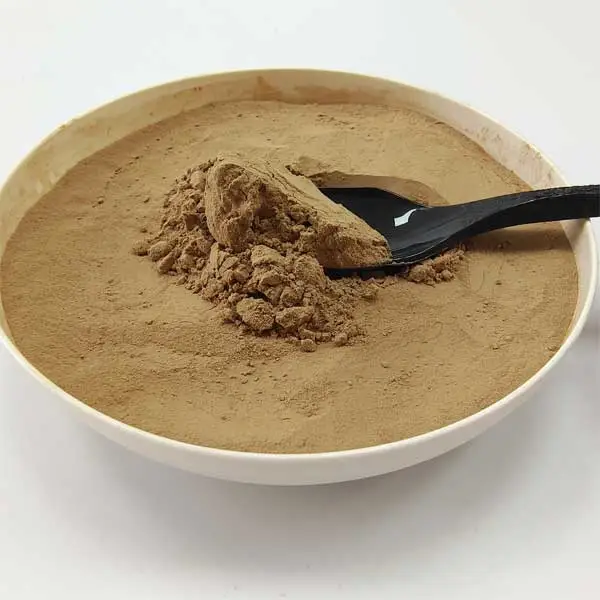
Sulfonated Melamine Formaldehyde Resin (SMF Powder) is one of the most widely used high-range water reducers in the construction industry. It is commonly applied in precast concrete, ready-mix concrete, gypsum products, self-leveling compounds, and dry-mix mortars where high fluidity, early strength development, and a clean white appearance are required.
Compared with traditional plasticizers, SMF offers superior dispersion performance and significant water reduction without introducing excessive air into the mix. For contractors and formulators comparing the difference between plasticizers and superplasticizers, SMF belongs to the superplasticizer category because it delivers much higher water reduction and improved concrete performance.
What Is Sulfonated Melamine Formaldehyde Resin (SMF Powder)?
SMF powder is a melamine-based superplasticizer produced through the sulfonation and condensation of melamine and formaldehyde, followed by spray drying into a free-flowing powder.
In cementitious systems, sulfonated melamine formaldehyde resin adsorbs onto cement particles and disperses agglomerates through electrostatic repulsion. This process improves particle distribution, reduces water demand, and enhances the overall performance of concrete and mortar mixtures.
SMF is commonly referred to as:
Key Benefits of SMF Powder
1. High Water Reduction
SMF significantly reduces the amount of mixing water required to achieve the desired workability. Lower water-cement ratios generally result in:
2. Improved Workability
SMF improves the flowability of concrete and mortar without excessive segregation or bleeding.
Applications benefiting from enhanced workability include:
Precast concrete
Architectural concrete
Self-leveling compounds
Grouts
Gypsum products
3. Excellent Early Strength Development
One of SMF’s major advantages is its ability to accelerate early strength gain, making it suitable for:
4. Low Chloride Content
SMF typically contains very low chloride levels, making it suitable for reinforced concrete structures where corrosion protection is critical.
5. White Appearance
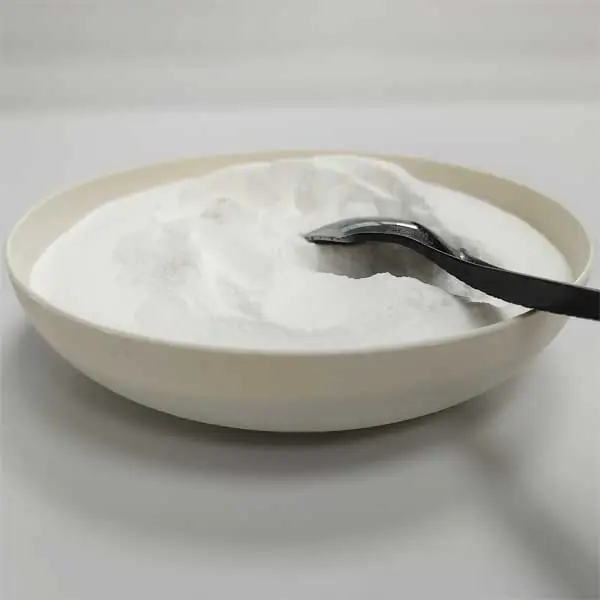
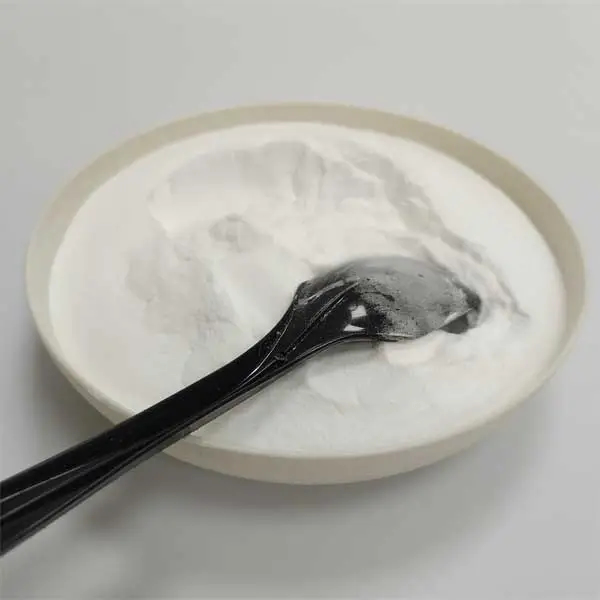
Unlike some darker superplasticizers, SMF maintains a cleaner appearance and is widely used in white cement and decorative building materials.
How Does SMF Work?
The effectiveness of SMF comes from its dispersing mechanism.
When added to cement-based systems, SMF molecules adsorb onto the surface of cement particles and create negative electrical charges. These charges generate electrostatic repulsion between particles, causing cement flocs to break apart.
As the particles disperse:
This mechanism allows producers to achieve the same workability with less water or significantly improve flow at the same water content.
Common Applications of SMF Powder
Precast Concrete
SMF is widely used in precast concrete production because it provides:
Ready-Mix Concrete
In ready-mix operations, SMF helps achieve consistent workability while maintaining target strength requirements.
Gypsum Products
SMF is particularly effective in gypsum formulations, including:
Dry-Mix Mortars
SMF improves flow and strength in:
Tile adhesives
Repair mortars
Grouts
Self-leveling compounds
SMF vs. SNF vs. PCE: Which Superplasticizer Should You Choose?
Choosing the right water reducer depends on project requirements, raw materials, and budget. These are the most common types of superplasticizer used in modern concrete technology.
| Type | Main Advantages | Typical Applications |
|---|
| SMF | High early strength, white appearance, stable performance | Precast concrete, gypsum, dry-mix mortar |
| SNF (Naphthalene-Based) | Cost-effective and widely available | General concrete applications |
| PCE (Polycarboxylate Ether) | Highest water reduction and slump retention | High-performance concrete and advanced formulations |
Choose SMF When:
Early strength is important
White or light-colored products are required
Gypsum compatibility is critical
Stable performance is preferred over maximum slump retention
Choose PCE When:
Recommended Dosage of SMF Powder
The optimal dosage depends on several factors:
Rather than relying on a fixed dosage, laboratory testing should always be conducted to determine the ideal superplasticizer dosage in concrete for your specific mix design.
Practical Testing Checklist
Before full-scale production:
✔ Conduct flow or mini-slump tests
✔ Measure slump retention over time
✔ Monitor air content
✔ Verify setting time
✔ Evaluate early and final strength
✔ Test compatibility with other admixtures
✔ Validate performance under actual production conditions
Formulation Tips for Dry-Mix Mortars and Self-Leveling Compounds
In dry-mix formulations, SMF is often used together with:
Because high fluidity may increase entrained air, manufacturers should carefully optimize:
Defoamer type
Defoamer dosage
Mixing sequence
Water demand
Proper formulation balance helps prevent:
Pinholes
Surface defects
Strength loss
Excessive foaming
How to Select a Reliable SMF Supplier
When purchasing SMF powder, consistency is just as important as price. Reputable sulfonated melamine formaldehyde manufacturers should be able to provide detailed technical documentation and batch consistency records.
Ask suppliers to provide:
Certificate of Analysis (COA)
Chloride content data
Moisture content reports
Alkali content reports
Concrete performance test reports
Batch consistency records
Technical support documentation
A qualified supplier should also offer compatibility recommendations based on your local cement and environmental conditions.
Frequently Asked Questions (FAQ)
Is SMF powder suitable for gypsum products?
Yes. SMF is widely used in gypsum-based materials because of its excellent dispersing capability and white appearance.
Does SMF contain chloride?
Most high-quality SMF products have very low chloride content and can be used in reinforced concrete applications.
Can SMF replace PCE superplasticizers?
Not entirely. PCE generally offers higher water reduction and better slump retention, while SMF often provides better early strength and cost efficiency in specific applications.
How much SMF should be added to concrete?
The optimum dosage varies depending on cement type, mix design, and performance requirements. Trial testing is always recommended.
Conclusion
Sulfonated Melamine Formaldehyde Resin (SMF Powder) remains a proven and reliable superplasticizer for concrete, gypsum, and dry-mix mortar applications. Its combination of high water reduction, excellent early strength development, low chloride content, and clean appearance makes it a preferred choice for precast and specialty construction materials.
To achieve the best results, manufacturers should conduct compatibility testing, optimize dosage through laboratory trials, and work with experienced suppliers capable of providing consistent product quality and technical support.

 English