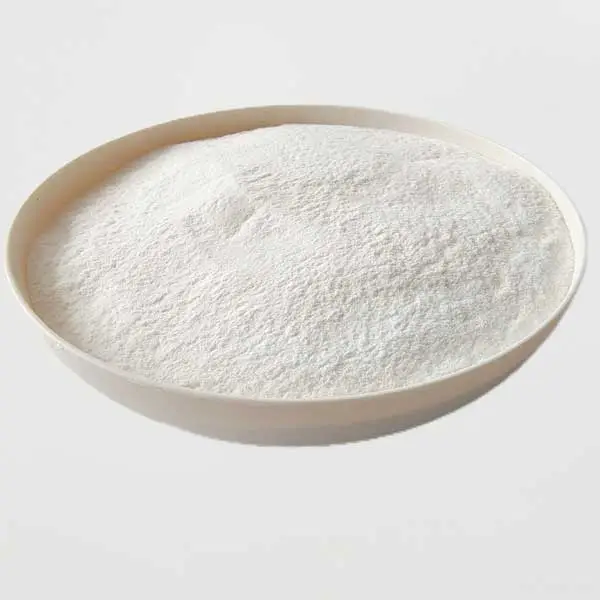
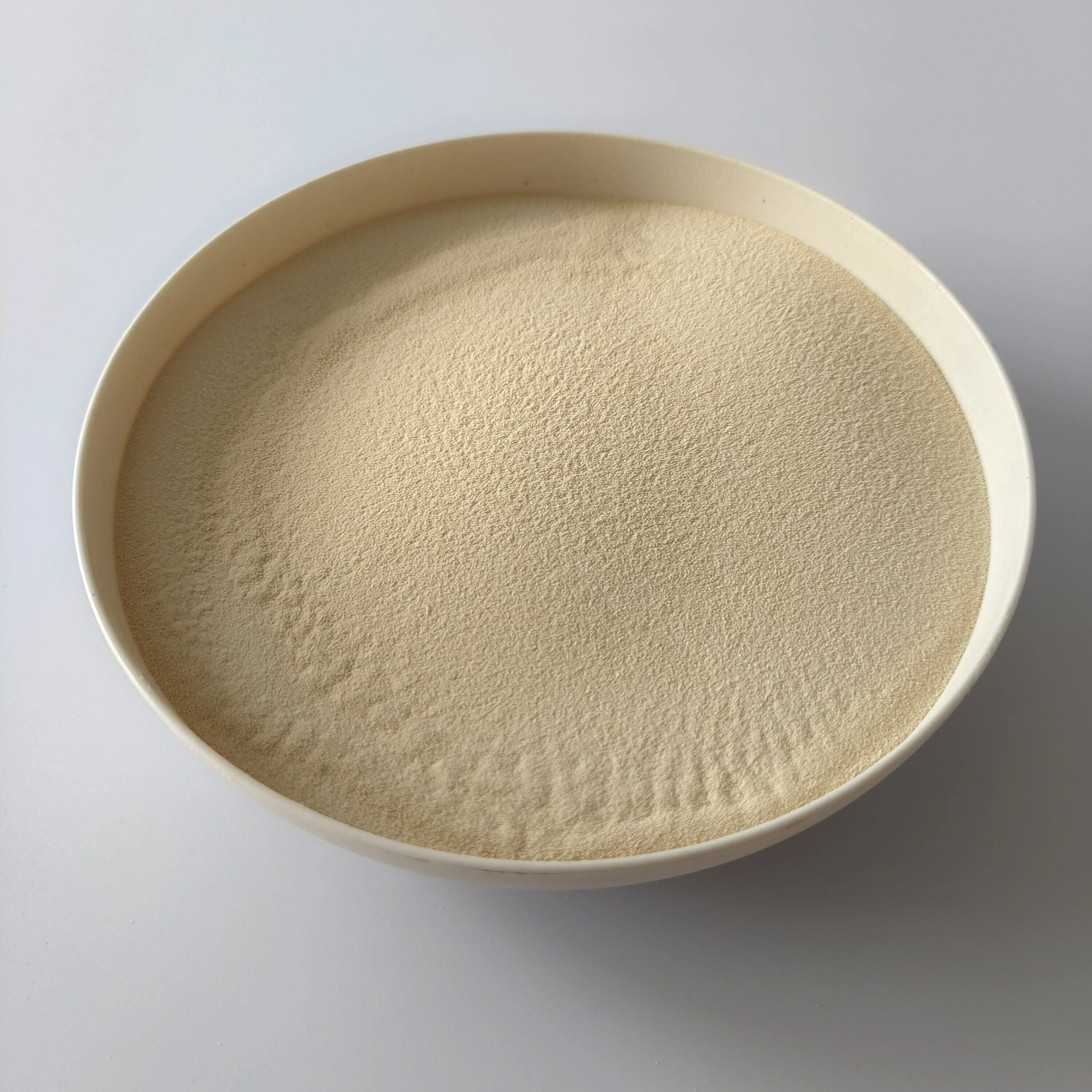
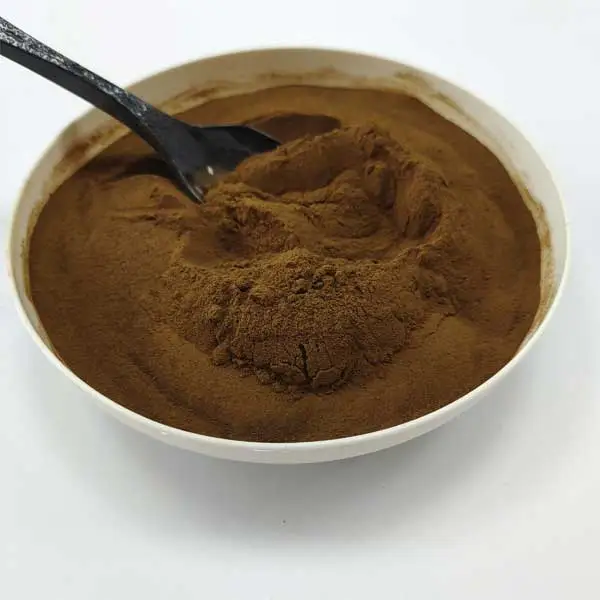
Polyether defoamers are non-ionic surfactants widely used for foam control in industrial processes. With both rapid defoaming and long-lasting antifoaming performance, they can help control unwanted foam in water treatment, fermentation, coatings, papermaking, textile processing and other industrial systems. Depending on formulation and application conditions, polyether defoamers can be used alone or as part of an emulsion.
Polyether defoamers can be divided into polyol type, fatty acid ester type and amine ether type according to the different initiators used in the synthesis. Among them, polyol type and fatty acid ester type are the most widely used.
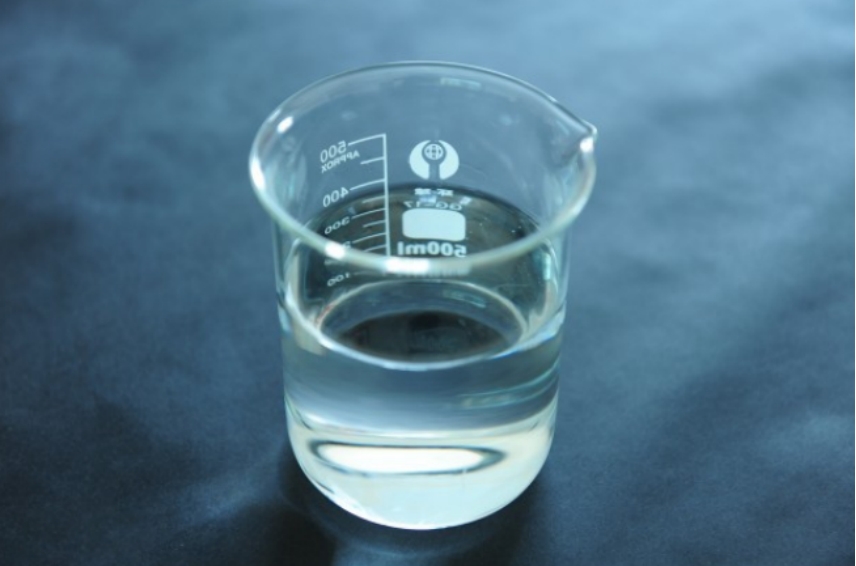
Main ingredients of polyether defoamers:
Polyether defoamers are compounded with special modified polyethers and fluorine-containing raw materials through special processes. According to these different additives, polyether defoamers can be divided into polyols, fatty acid lipids and amine ethers. These three different types of polyether defoamers have their own characteristics, colorless and transparent, fast defoaming, and long-term anti-foaming.
Defoaming principle of polyether defoamers:
When polyether comes into contact with water, the temperature rises from the low-temperature dissolution state in water to the temperature at which turbidity appears is its turbidity point. The foaming system will also exceed the temperature of the turbidity point as the water temperature exceeds the temperature of the turbidity point. Only then will the polyether defoamer play its role, which can quickly defoam and control the generation of foam.
How to dilute the polyether defoamer:
1. The polyether defoamer is acid- and alkali-resistant and high-temperature-resistant. It can be diluted with water at will without affecting the appearance. It is advisable to add the defoamer in small amounts and multiple times.
2. The polyether defoamer can be heated and sterilized with the original liquid and the fermentation base material into the tank, or it can be prepared into a water emulsion and directly steam sterilized and then "flow-added" into the tank for defoaming; the defoamer emulsion preparation tank has a mechanical stirring device to make the defoamer fully dispersed and evenly distributed to achieve the ideal defoaming effect.
Industrial Applications of Polyether Defoamers:
Industrial polyether defoamers are used in a wide range of foam-control applications because of their rapid defoaming capability, durability and adaptability to different processing conditions. Typical applications include water treatment, industrial cleaning, metalworking fluids, textile printing and dyeing, papermaking, coatings and inks, desulfurization, oil field drilling and mining.
The appropriate polyether antifoam formulation should be selected according to the foaming system, operating temperature, pH, compatibility requirements and desired duration of foam control. In many industrial processes, testing the defoamer under actual operating conditions is recommended before large-scale use.
How to Choose a Polyether Defoamer:
Selecting a suitable polyether defoamer requires more than simply comparing defoaming speed. Buyers should also consider the stability of the foam, operating temperature, system pH, compatibility with other additives and the required duration of antifoaming performance.
For industrial applications, dosage should normally be confirmed through small-scale testing because different formulations and processing systems may require different addition levels. Buyers with specific foam-control requirements can consult a professional polyether defoamer manufacturer for product selection and application guidance.
For detailed specifications, application information and purchasing inquiries, explore Jufu Chemical's polyether defoamer product solution.

 English