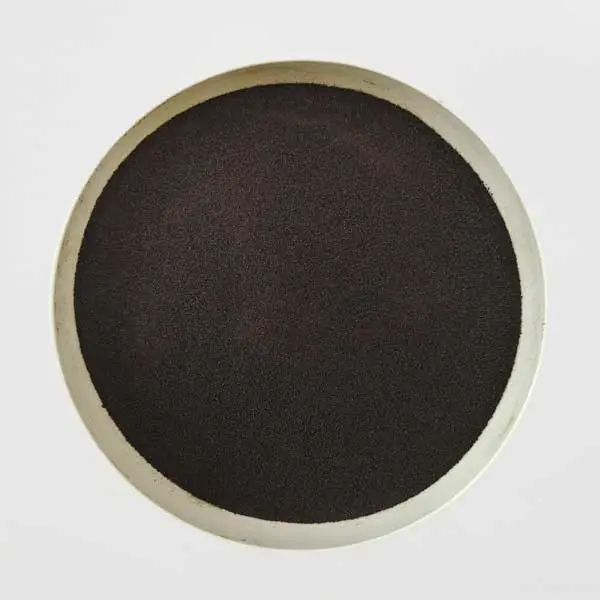
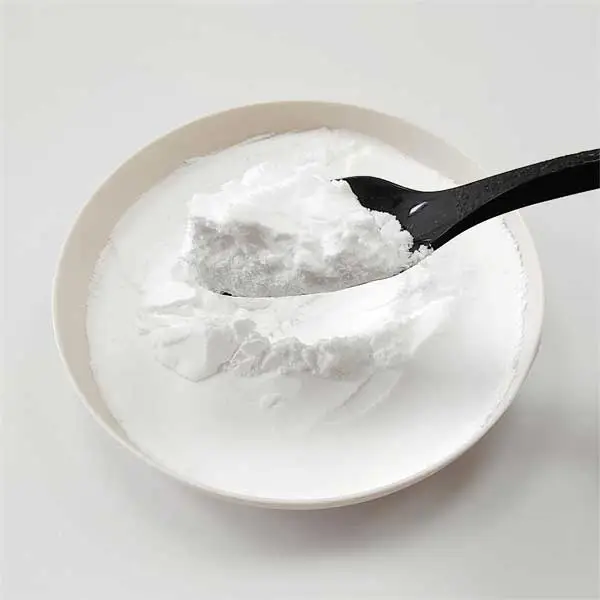
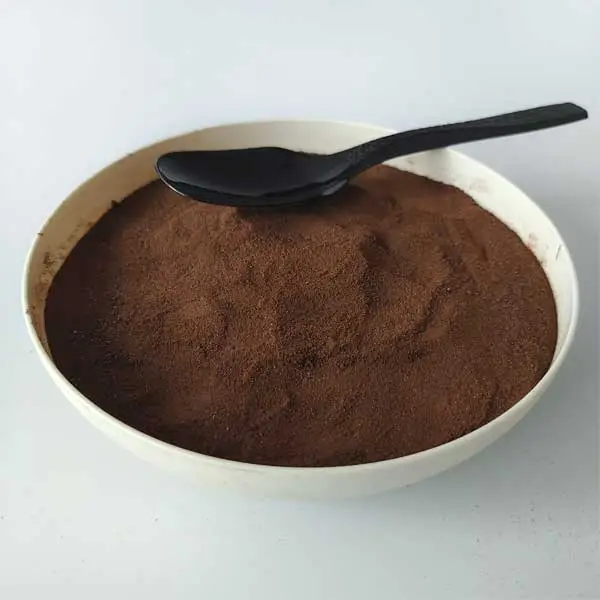
PCE powder is most useful when a concrete or dry-mortar producer needs high water reduction in a compact, transport-efficient form, but its real performance depends on much more than the label “polycarboxylate.” Cement chemistry, supplementary cementitious materials, powder moisture, dissolution method, dosage basis and mixing sequence can all change the result. A good selection process therefore starts with the target rheology and retention time, then verifies the product in the actual binder system through laboratory and plant trials.
Modern PCE powder is a comb-like polymer that disperses cement particles through adsorption and steric hindrance. By breaking down flocculated cement clusters, it releases water that was physically trapped inside those clusters. This makes it possible to obtain either higher flow at the same water content or a lower water-to-binder ratio at similar workability. Those two operating modes should not be confused, because they lead to different strength, shrinkage, pumpability and finishing outcomes.
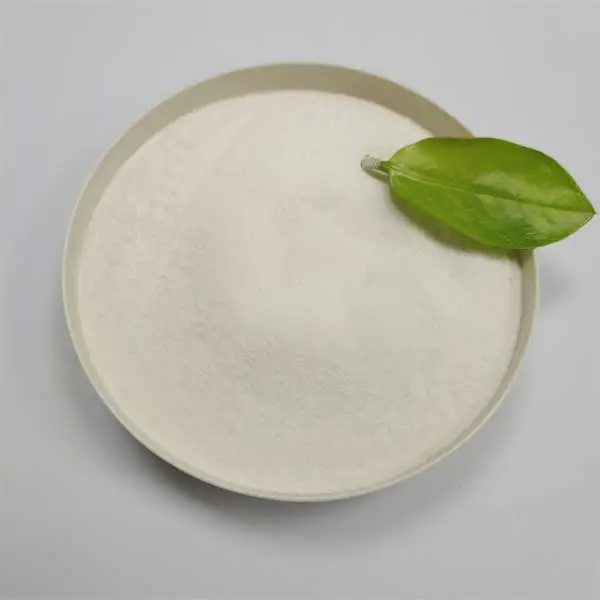
Why Does PCE Powder Behave Differently from Liquid PCE?
The active chemistry can be similar, but the delivery form changes handling and dosing. Powder is attractive for dry-mix mortar, non-shrink grout, repair mortar, self-leveling products and bagged construction materials because it can be blended with other dry ingredients. It also reduces the logistics burden associated with transporting water. Liquid PCE, by contrast, is easier to meter directly into ready-mixed concrete and can be supplied in formulations optimized for initial water reduction, slump retention or a balance of both.
For a producer deciding between powder and polycarboxylate superplasticizer liquid, the important comparison is not simply price per kilogram. Compare active solids, delivered cost per unit of active polymer, required storage equipment, dissolution labor, batching accuracy, ambient temperature, and whether the plant needs a formulation that can be adjusted frequently. A powder that is economical in dry mortar may create unnecessary process complexity in a high-throughput ready-mix plant.
Which PCE Powder Specifications Matter Most?
Product data should be read as a screening tool rather than a guarantee of concrete performance. Jufu Chemical’s published specification for JF Polycarboxylate Superplasticizer Powder 02 provides a useful example of the parameters buyers should verify before trial mixing:
Item | Published Specification |
Appearance | White or yellowish powder |
Solid content | 98 ± 0.5% |
pH (23°C) | 9.0 ± 1.0 |
Na₂SO₄ | ≤ 3.0% |
Water content | ≤ 3.0% |
Chloride content | ≤ 0.1% |
Bulk density | 600 ± 50 kg/m³ |
Water-reducing rate | ≥ 25% |
Source: Jufu Chemical product page for JF Polycarboxylate Superplasticizer Powder 02. Values are product-specific and should be verified against the current TDS before procurement.
Water-reducing rate is an important headline value, but it should never be evaluated alone. Solid content affects the true amount of active material, pH can influence formulation compatibility, chloride content matters for reinforced-concrete specifications, and moisture or caking can reduce dosing consistency. Bulk density also affects packaging, hopper design and volumetric feeding if the plant is not using gravimetric dosing.
How Much PCE Powder Should Be Used?
The manufacturer’s published guidance for this PCE powder gives a recommended dosage of 0.2% to 0.3%, but practical dosage should always be established on the same basis used in the technical data sheet and then verified with the real cementitious system. In the field, confusion often arises because one supplier expresses dosage as a percentage of total cementitious material while another references cement only or active solids. Before comparing two products, convert both to the same dosage basis.
When reconstituting powder into a solution, calculate the target solids concentration first, add the powder gradually under adequate agitation, and allow enough time for full dissolution before finalizing the solution mass. Avoid judging performance immediately after incomplete dispersion. If the solution will be stored, verify stability over the expected storage period and check whether sedimentation, viscosity change or microbial growth becomes a concern under local conditions.
Why Can the Same PCE Powder Perform Differently with Two Cements?
PCE adsorption is strongly affected by the cementitious environment. Research on polycarboxylate superplasticizers shows that polymer architecture, cement mineralogy, sulfate balance, fineness and supplementary cementitious materials can influence adsorption and dispersion. A PCE that produces excellent initial flow with one cement may show higher demand, rapid slump loss or delayed setting with another.
Clay contamination in aggregates is another important variable. Certain clay minerals can compete strongly for PCE molecules, leaving less effective polymer available to disperse cement. Very fine cement and some high-C3A systems can also increase admixture demand. This is why a supplier’s water-reduction value should be treated as a reference condition rather than a universal field value.
A Practical Trial-Mix Sequence for PCE Powder
A disciplined trial plan is more informative than repeatedly changing dosage until the slump looks acceptable. Start from the control mixture, keep aggregate moisture and temperature consistent, and change one variable at a time. The following sequence works well for screening most concrete chemicals used as water reducers:
· Establish the control mixture’s water demand, slump or flow, air content, setting behavior and 1-day/7-day/28-day strength targets.
· Test at least three PCE dosages around the supplier’s recommended range instead of testing only one point.
· Record initial slump or flow and repeat measurements at the actual transport or working intervals, such as 30, 60 and 90 minutes.
· Observe bleeding, segregation, stickiness, finishing response and pump pressure rather than relying on slump alone.
· Repeat the selected dosage with normal production variations in cement lot, aggregate moisture and temperature before full-scale release.
Where Does PCE Powder Create the Most Value?
The strongest use case is often a formulation where high dispersion must be delivered in a dry product. Self-leveling mortars, repair mortars, non-shrink grouts and dry-mix systems can benefit from a small dosage of PCE powder because the polymer can improve fluidity without requiring excessive mixing water. In high-performance concrete, the same chemistry can help reduce the water-to-binder ratio while maintaining placement properties, provided compatibility and workability retention are confirmed.
PCE is only one family within modern superplasticizers. If the project prioritizes strong initial dispersion at a different cost structure, or if the cement system has known compatibility issues, alternative high-range water reducers may still be technically and economically justified. Selection should follow the mix requirement, not the age of the chemistry.
FAQ
Is PCE powder the same as PCE liquid?
They can belong to the same polycarboxylate chemistry family, but they are not automatically interchangeable on a kilogram-for-kilogram basis. Compare active solids, formulation purpose, dosage basis and field performance before substitution.
Can PCE powder be added directly to dry mortar?
Yes, many PCE powders are designed for dry-mix applications. Uniform dry blending and accurate low-dose feeding are essential because small distribution errors can create large local differences in flow.
Does a higher PCE dosage always give more flow?
No. Most systems reach a practical saturation region. Beyond that point, extra dosage may provide little additional dispersion while increasing the risk of retardation, excessive fluidity, segregation or cost.
Why does PCE sometimes cause rapid slump loss?
Possible causes include cement-admixture incompatibility, temperature, sulfate balance, fine or clay-contaminated aggregates, insufficient retention functionality, or a dosage/mixing sequence that is not suited to the system.
Conclusion
Selecting PCE powder is a formulation decision rather than a catalog decision. The useful specification is the one that survives a controlled trial with the actual cement, supplementary materials, aggregates, temperature and working-time requirement. When dosage basis, dissolution method and compatibility are verified together, powder PCE can provide an efficient route to high flow and lower water demand in both concrete and dry-mortar systems.

 English