In modern construction, the performance of dry-mix materials—such as tile adhesives, putty powders, and plastering mortars—directly impacts construction efficiency and quality. Behind these materials, hydroxypropyl methylcellulose (HPMC) serves as the "invisible core" that quietly plays a pivotal role. As a non-ionic cellulose ether, Hydroxypropyl Methyl Cellulose HPMC has become an important additive in dry-mix mortar systems. It helps improve water retention, workability, consistency and application stability while supporting better performance in tile adhesives, plastering mortars, putty powders and other cement-based formulations.
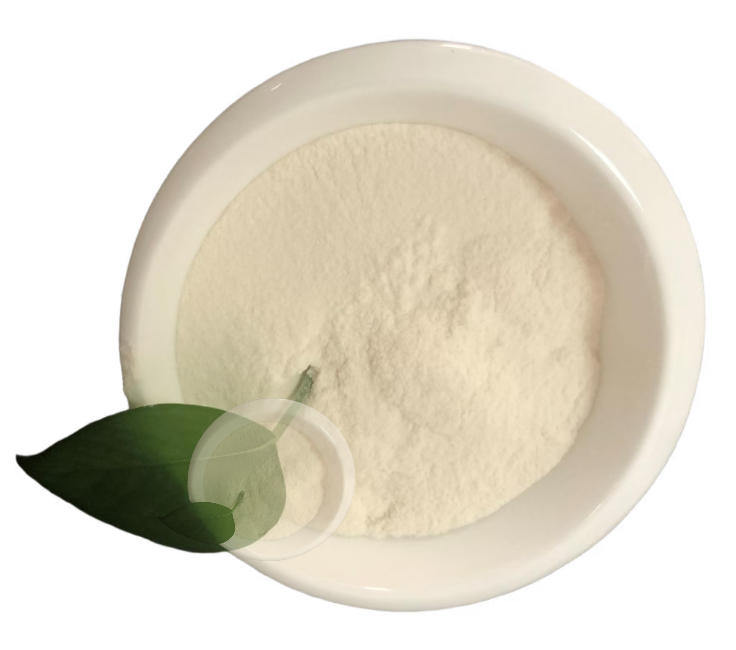
What Does HPMC Do in Dry Mix Mortar?
In dry-mix mortar, HPMC mainly functions as a water-retention, thickening and rheology-modifying additive. By slowing moisture loss, it allows cementitious materials more time for hydration and helps reduce problems caused by premature drying. At the same time, HPMC improves consistency and application properties, helping mortar spread more smoothly while providing better sag resistance and working time. These functions make HPMC one of the commonly used mortar additives in modern dry-mix formulations.
How HPMC Viscosity Affects Mortar Performance
Different dry-mix mortar systems have distinct performance requirements, and the viscosity of HPMC is an important factor when selecting a suitable grade. Low-, medium- and high-viscosity HPMC can provide different balances of flowability, thickening, water retention and sag resistance for specific mortar applications.
Low-Viscosity HPMC for Self-Leveling Mortar
Low-viscosity HPMC offers excellent flowability and is primarily used in self-leveling mortars. In these systems, it improves suspension stability and minimizes aggregate settling without significantly increasing viscosity; simultaneously, it preserves self-leveling properties, ensuring smoother floor leveling and preventing uneven thickness.
Medium-Viscosity HPMC for Tile Adhesives and Plastering Mortar
Medium-viscosity HPMC is widely used in tile adhesives and standard plastering mortars. It provides moderate thickening and improves sag resistance, helping reduce tile or plaster slippage during application. It can also extend open time, giving installers more time for adjustment and helping reduce unnecessary rework.
High-Viscosity HPMC for Putty and Thick-Layer Mortar
High-viscosity HPMC provides stronger thickening and water-retention performance, making it suitable for thick-layer plastering mortars and putty powders. In putty applications, it helps improve application smoothness and reduce trowel drag while limiting rapid moisture loss. In plastering mortar, improved water retention provides more time for cement hydration, supporting bonding performance and reducing the risk of cracking caused by premature drying.
Choosing HPMC for Different Dry Mix Mortar Applications
Selecting HPMC should be based on the performance requirements of the final mortar rather than viscosity alone. Self-leveling mortar generally requires good flowability and suspension stability, while tile adhesive places greater emphasis on sag resistance, open time and bonding performance. Plastering mortar requires a balance of workability and water retention, whereas putty powder typically benefits from stronger thickening and moisture-retention properties. HPMC is also commonly used together with other construction additives to achieve the required overall formulation performance. For example, redispersible polymer powder can be incorporated into dry-mix mortar systems to improve adhesion, flexibility, workability and crack resistance. The final combination and dosage should be adjusted according to cement type, aggregates, environmental conditions and application requirements.

 English