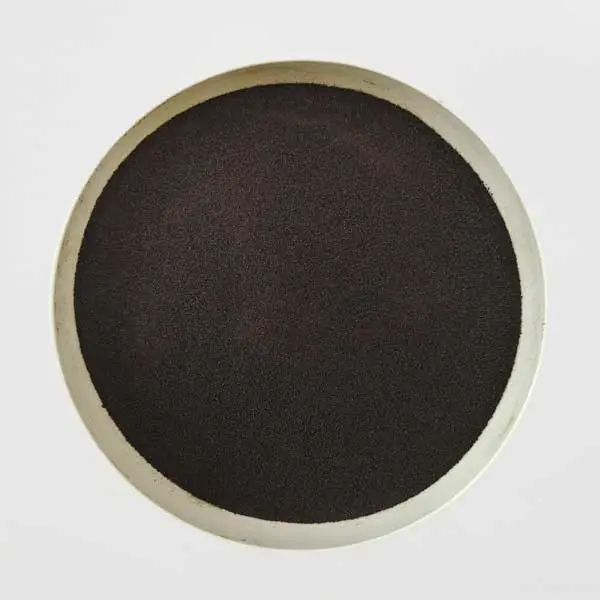
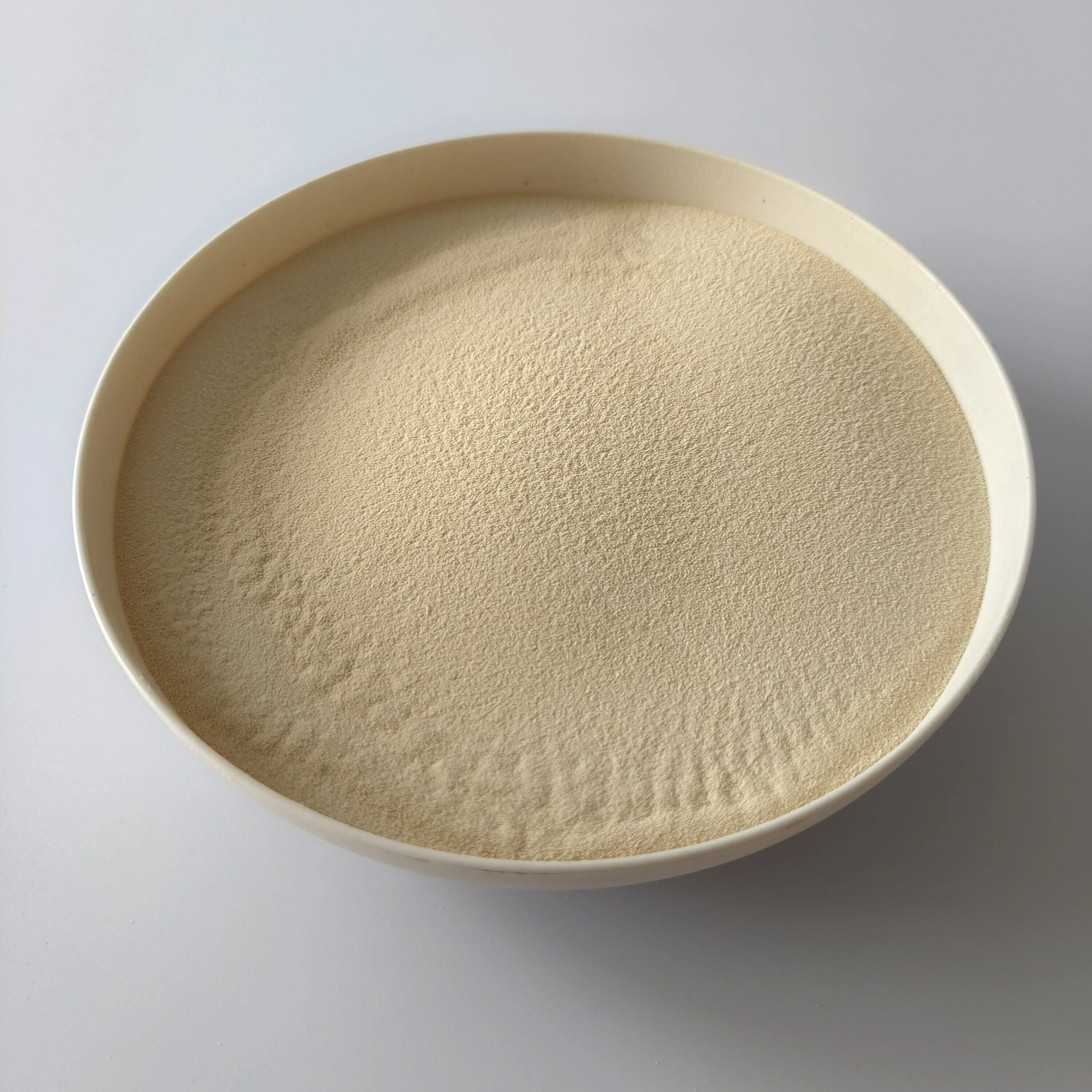
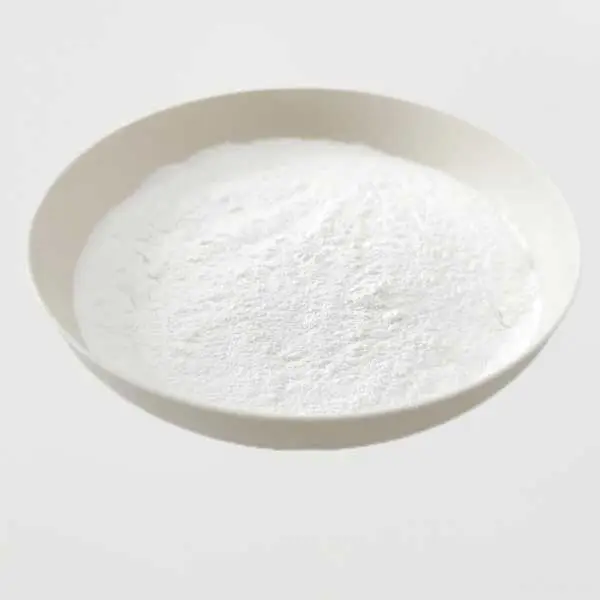
Polynaphthalene sulfonate (PNS) is one of the most important high-performance chemical additives used across multiple industries. From advanced construction materials to textiles and cosmetics, this versatile compound plays a crucial role as a dispersant, surfactant, and superplasticizer.
In this comprehensive guide, we’ll explore everything you need to know about polynaphthalene sulfonate, including its chemical nature, applications, features, advantages, and frequently asked questions—helping both engineers and procurement professionals make informed decisions.
What Is Polynaphthalene Sulfonate?
Polynaphthalene sulfonate is a synthetic polymer formed by the condensation of naphthalene sulfonic acid and formaldehyde, typically neutralized into its sodium salt form.
Chemically, it belongs to the class of anionic surfactants, meaning it has both hydrophobic (water-repelling) and hydrophilic (water-attracting) components. This unique structure allows it to act as a powerful dispersing and water-reducing agent.
Key Synonyms
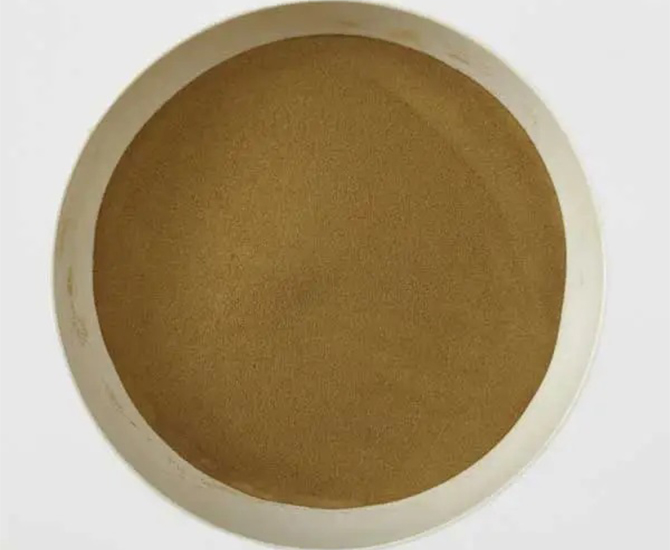
What Is Polynaphthalene Sulfonate Used For?
Polynaphthalene sulfonate is widely used across industries due to its excellent dispersion and water-reduction capabilities.
Construction Industry (Primary Application)
The most important use of poly naphthalene sulfonate is as a concrete superplasticizer.
Reduces water content by 16–28%
Improves concrete workability and flow
Enhances compressive strength
Reduces shrinkage and cracking
Enables high-performance concrete production
Typical applications include:
High-rise buildings
Bridges and tunnels
Precast concrete
Pumped concrete
Cement & Gypsum Products
Improves the fluidity of cement slurry
Enhances strength and uniformity
Optimizes the hydration process
Textile & Dye Industry
Acts as a dye dispersant
Ensures uniform coloring
Prevents dye aggregation
Cosmetics & Personal Care
Functions as an emulsion stabilizer and dispersant
Improves the solubility of ingredients
Prevents separation in formulations
Other Industrial Uses
Features of Polynaphthalene Sulfonate
Below are the core features that make poly naphthalene sulfonate highly valuable:
Key Performance Features
| Feature | Description |
|---|
| High Water Reduction | Reduces water demand by up to 28% |
| Excellent Dispersion | Prevents particle agglomeration |
| Improved Flowability | Enhances the workability of mixtures |
| Low Chloride Content | Safe for reinforced concrete |
| Strong Compatibility | Works with cement, fly ash, and additives |
| Thermal Stability | Suitable for steam curing and harsh conditions |
According to product specifications, polynaphthalene sulfonate typically has:
Solid content ≥ 93%
pH value: 7–9
Chloride content ≤ 0.5%
Advantages of Poly Naphthalene Sulfonate
Superior Concrete Performance
Poly naphthalene sulfonate significantly improves mechanical strength and durability by optimizing cement hydration and reducing water usage.
Cost Efficiency
Enhanced Durability
Improves resistance to freeze-thaw cycles
Reduces permeability and cracking
Increases long-term structural integrity
Versatility Across Industries
Unlike many additives, PNS works across:
Construction
Textiles
Chemicals
Cosmetics
Environmental Benefits
How Polynaphthalene Sulfonate Works
The effectiveness of polynaphthalene sulfonate comes from its electrostatic dispersion mechanism:
Adsorbs onto cement particles
Creates negative charges on surfaces
Causes particles to repel each other
Releases trapped water
This leads to:
Improved fluidity
Reduced viscosity
Better cement hydration
Research shows that PNS increases zeta potential, enhancing dispersion and plasticizing effects.
Why Choose Polynaphthalene Sulfonate from Jufu Chemical?
When sourcing polynaphthalene sulfonate, quality consistency is critical.
Based on the product page, key highlights include:
High water-reducing efficiency (up to 28%)
Excellent slump retention in concrete
Low alkali and chloride-free formulation
Suitable for high-performance concrete
Available in powder and liquid forms
These features make it ideal for:
FAQs
1. What is the difference between PNS and polycarboxylate superplasticizers?
PNS is a second-generation superplasticizer, while polycarboxylates are third-generation with higher performance but also higher cost. PNS remains widely used due to its cost-effectiveness.
2. What is the typical dosage of polynaphthalene sulfonate?
The recommended dosage is typically 0.5% to 3% of cement weight, depending on performance requirements.
3. Can polynaphthalene sulfonate be used in high-temperature conditions?
Yes, it performs well under steam curing and elevated temperatures, making it suitable for precast and industrial applications.
Conclusion
Polynaphthalene sulfonate remains one of the most reliable and cost-effective superplasticizers and dispersants in modern industry. Its ability to improve performance, reduce costs, and enhance material efficiency makes it indispensable—especially in construction and chemical manufacturing.
For businesses looking to optimize concrete performance or industrial formulations, sodium polynaphthalene sulfonate offers a proven, scalable, and versatile solution.
```

 English