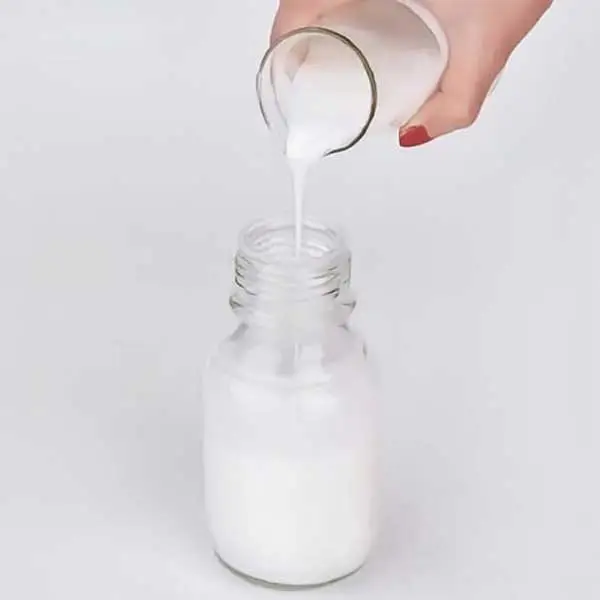
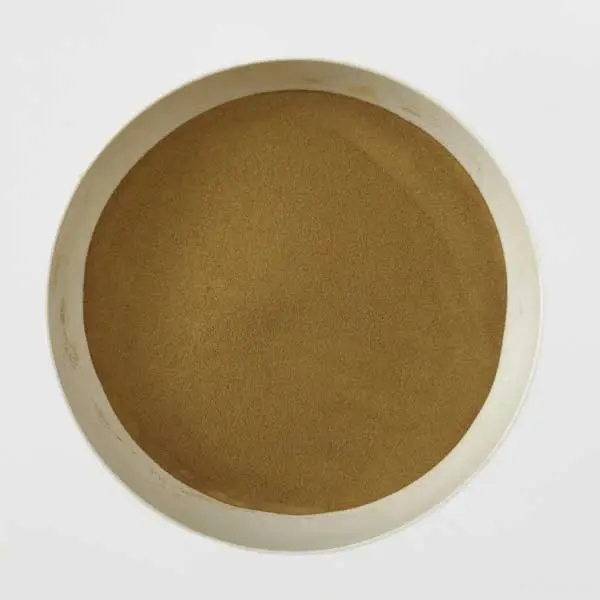
Foam is one of the most underestimated challenges in industrial production. From construction materials to coatings, excessive foam can reduce efficiency, weaken product performance, and create costly defects. This is where defoamer powder becomes essential.
What Is Defoamer Powder?
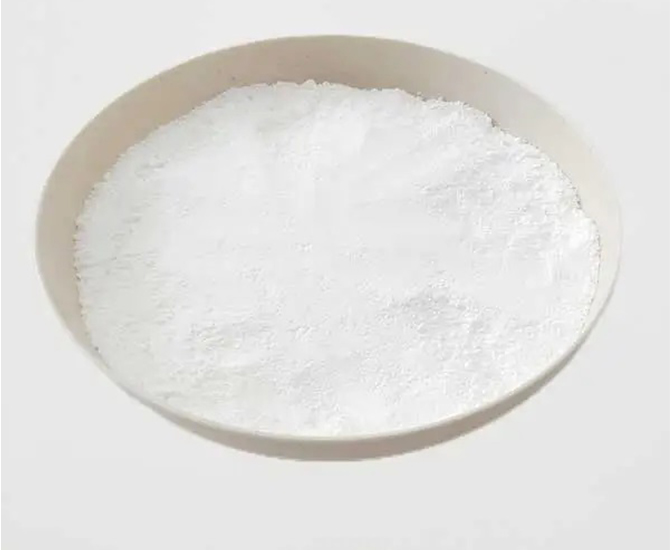
Defoamer powder is a solid-form anti-foaming agent designed to eliminate or control foam in dry-mix or powdered systems. Unlike liquid defoamers, it is specifically engineered for easy dispersion in dry formulations such as cement, mortar, and gypsum-based products.
At its core, a defoamer is a chemical additive that reduces or prevents foam formation by destabilizing air bubbles in liquids or semi-liquid systems .
How Powder Defoaming Works
Powder defoamers typically contain:
These components:
Penetrate foam films
Reduce surface tension
Cause bubble rupture and collapse
This mechanism ensures that entrapped air is released quickly, improving density and structural integrity.
Why Powder Defoaming Matters in Industry
Foam is not just a visual issue—it directly affects product quality and production efficiency.
Key Problems Caused by Foam:
Weak mechanical strength in cementitious materials
Surface defects (pinholes, craters, bubbles)
Reduced processing efficiency
Overflow and equipment instability
Industries rely on defoamers because foam can interfere with mixing, filling, and final product quality .
Key Factors to Consider When Selecting Powder Defoamers
Choosing the right defoamer powder is critical. Not all products perform equally across applications.
Compatibility with the System
A defoamer must be slightly incompatible with the system to migrate to foam surfaces effectively. Over-compatibility reduces performance.
Dispersion Ability
High-quality powder defoamers disperse quickly in dry mixes without agglomeration.
Defoaming Efficiency vs. Dosage
Look for products that provide strong defoaming at low addition levels (typically 0.1–0.5%).
Stability in Storage
The product should maintain performance over time and under varying temperatures.
Impact on Final Product
Avoid defoamers that:
Reduce strength
Cause discoloration
Affect setting time
Defoamer Powder Applications in Construction Projects
The construction industry is one of the largest consumers of powder defoaming solutions.
Dry Mix Mortar
Self-Leveling Compounds
Prevents surface bubbles
Ensures smooth finishes
Tile Adhesives & Grouts
Gypsum-Based Products
Enhances density
Reduces porosity
In cement systems, defoamer powder plays a crucial role in eliminating entrapped air bubbles, leading to stronger and more durable materials .
Why Choose a Professional Defoamer Factory: Jufu Chemical
When sourcing defoamers, the manufacturer matters as much as the product.
A reliable defoamer factory like Jufu Chemical provides:
Consistent product quality
Customized formulations
Technical support for application optimization
Scalable supply for global projects
Advantages of Jufu Chemical Defoamer Powder
Excellent dispersion in dry systems
Strong foam suppression with low dosage
Compatibility with cement, gypsum, and polymer systems
Stable performance across varying conditions
Working with an experienced defoamer factory ensures not only product quality but also long-term process optimization and cost efficiency.
Types of Defoamer Powder
Understanding different types helps in selecting the right solution.
1. Silicone-Based Powder Defoamers
2. Polyether-Based Defoamers
3. Mineral Oil-Based Defoamers
Each type offers different balances between cost, efficiency, and compatibility.
Best Practices for Using Defoamer Powder
To maximize performance:
Add during dry mixing stage
Ensure uniform blending
Test dosage for optimal results
Avoid overuse (can cause defects)
Proper application ensures maximum efficiency with minimal cost.
FAQs
1. What is the difference between defoamer powder and liquid defoamer?
Powder defoamers are designed for dry systems, while liquid defoamers are used in aqueous or liquid processes.
2. How much defoamer powder should be added?
Typical dosage ranges from 0.1% to 0.5%, depending on formulation and foam severity.
3. Can defoamer powder improve concrete strength?
Yes. By reducing air bubbles, it increases density and compressive strength.
Conclusion
Selecting the right defoamer powder is not just about eliminating foam—it’s about improving product quality, operational efficiency, and cost performance.
To achieve the best results:
Choose the right formulation
Work with a trusted defoamer factory like Jufu Chemical
Optimize dosage and application
As industries continue to demand higher performance materials, powder defoaming technology will remain a critical component in modern manufacturing and construction systems.

 English