Calcium lignosulfonate is one of the most widely used lignin-based chemicals in modern industry. Derived from sulfite pulping processes, it serves as a natural dispersant, binder, and water-reducing agent across construction, agriculture, ceramics, and more.
With increasing demand for eco-friendly and cost-effective additives, calcium lignosulfonate liquid and calcium lignosulfonate powder are becoming essential raw materials in global supply chains. This guide provides a comprehensive overview of its properties, production methods, applications, and sourcing strategies—including insights from a professional calcium lignosulfonate factory like Jufu Chemical.
What Is Calcium Lignosulfonate?
Calcium lignosulfonate is a water-soluble anionic polymer produced from lignin, a natural component of wood. It is obtained during the sulfite pulping process when lignin is sulfonated and combined with calcium ions.
Key Characteristics
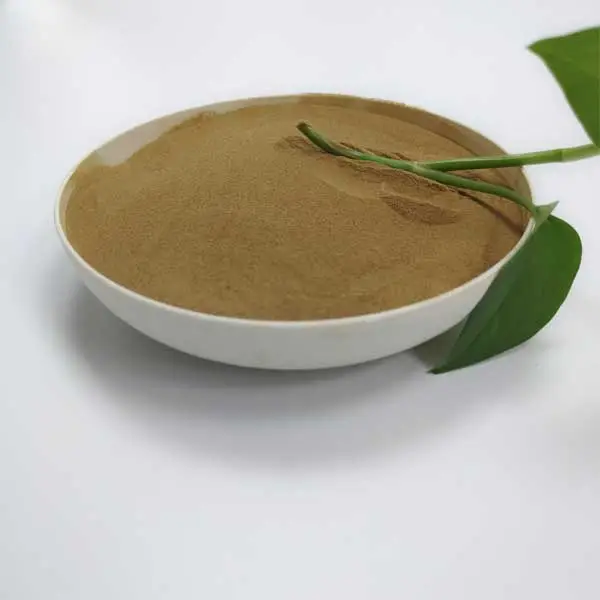
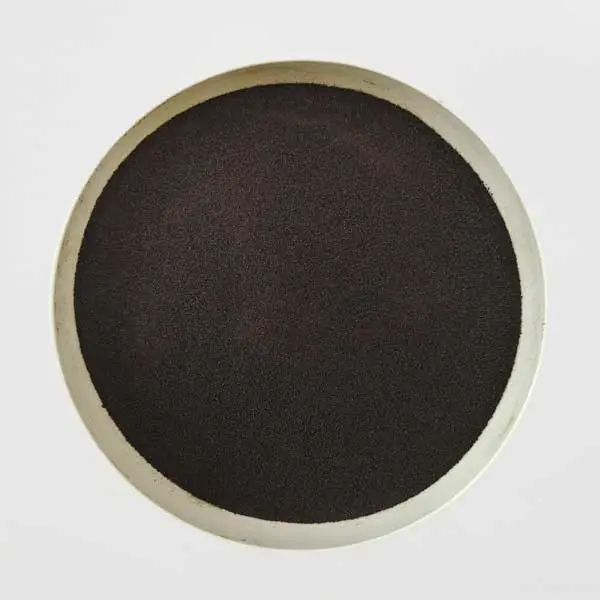
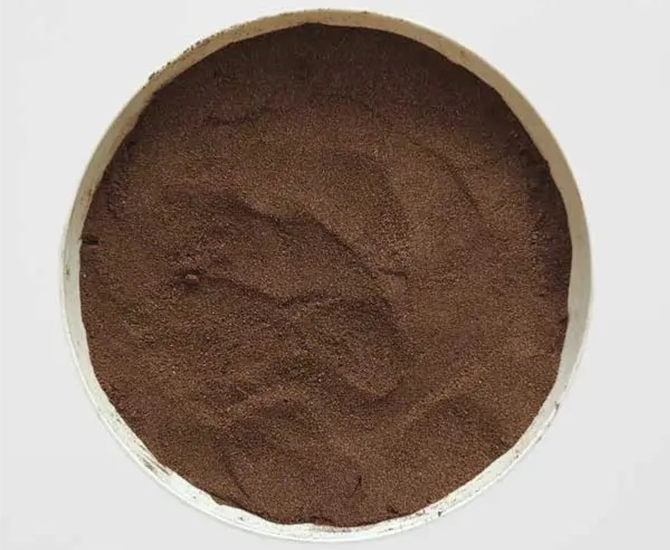
Brown to dark brown powder or liquid
High solubility in water
Excellent dispersibility
Biodegradable and eco-friendly
Surface-active properties
Its molecular structure allows it to act as a dispersing agent, reducing particle aggregation and improving flow properties in various systems.
Calcium Lignosulfonate Uses
Calcium lignosulfonate has a broad range of applications across industries:
Construction Industry
Used as a water-reducing agent in concrete admixtures
Improves workability and strength
Reduces cement consumption
Agriculture
Acts as a binder in animal feed pellets
Improves nutrient distribution
Used in fertilizers as a dispersant
Ceramics
Oil Drilling
Dust Control
Calcium Lignosulfonate Applications in Different Forms
Calcium Lignosulfonate Powder
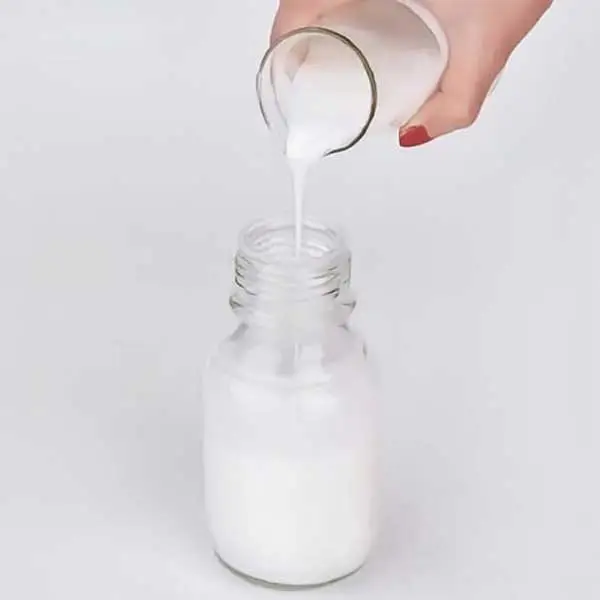
Calcium Lignosulfonate Liquid
How to Make Calcium Lignosulfonate?
The production process involves several key steps:
Sulfite Pulping
Wood chips are treated with sulfite chemicals to extract cellulose.
Lignin Separation
Lignin is dissolved into the spent liquor.
Sulfonation
Lignin reacts with sulfur compounds to form lignosulfonates.
Neutralization with Calcium
Calcium salts are introduced to produce calcium lignosulfonate.
Concentration & Drying
The product is concentrated into liquid or spray-dried into powder.
This process ensures consistent quality and functionality, especially when handled by an experienced calcium lignosulfonate factory such as Jufu Chemical.
Why Choose a Professional Calcium Lignosulfonate Factory?
Working with a reliable manufacturer is crucial for product performance and consistency.
Key Advantages of Jufu Chemical
Advanced production technology
Stable product quality (CF-2 grade)
Customizable formulations
Global export experience
Strict quality control standards
A trusted calcium lignosulfonate factory like Jufu Chemical ensures compliance with international standards and reliable supply chains.
Performance Benefits in Industrial Applications
| Benefit | Impact |
| Improved Dispersion | Better product uniformity |
| Cost Reduction | Lower raw material usage |
| Environmental Safety | Sustainable alternative |
| Enhanced Flowability | Easier processing |
| Binding Strength | Improved pellet durability |
Calcium Lignosulfonate vs Other Lignosulfonates
| Type | Key Difference |
|---|
| Calcium Lignosulfonate | Moderate performance, cost-effective |
| Sodium Lignosulfonate | Higher solubility |
| Magnesium Lignosulfonate | Better binding strength |
Calcium lignosulfonate is often preferred due to its balanced performance and affordability.
FAQs (People Also Ask)
1. What are the properties of lignosulfonate?
Lignosulfonates are water-soluble, anionic polymers with dispersing, binding, and emulsifying properties. They are biodegradable and derived from natural lignin.
2. What industries use calcium lignosulfonate the most?
Construction, agriculture, ceramics, oil drilling, and mining industries are the primary users.
3. What is the difference between calcium lignosulfonate liquid and powder?
Liquid form is ready-to-use and dissolves quickly, while powder form is easier to transport and store with a longer shelf life.
Conclusion
Calcium lignosulfonate is a versatile, eco-friendly chemical with wide industrial applications. Whether used in construction, agriculture, or manufacturing, its dispersing, binding, and cost-saving properties make it indispensable.
Choosing a reliable calcium lignosulfonate factory like Jufu Chemical ensures consistent quality and long-term performance benefits.

 English